Himalayan Pink Salt vs Table Salt Which One Is Healthier?
Salt is a staple in every kitchen, but not all salts are created equal. The growing buzz around Himalayan Pink Salt vs Table Salt has sparked curiosity among health-conscious consumers and culinary enthusiasts alike. But what truly sets them apart? Is pink salt just a trendy gimmick, or is there a genuine reason behind its popularity?
In this detailed guide, we’ll explore the nutritional comparison of salt, the health benefits of Himalayan salt, and the pink salt minerals that make it unique. Whether you’re diving into Himalayan food trends or simply curious about your seasoning choices, keep reading to discover which salt belongs in your pantry.
What Is Himalayan Pink Salt?
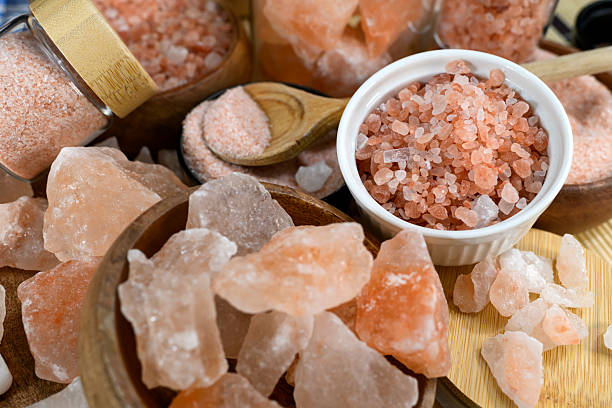
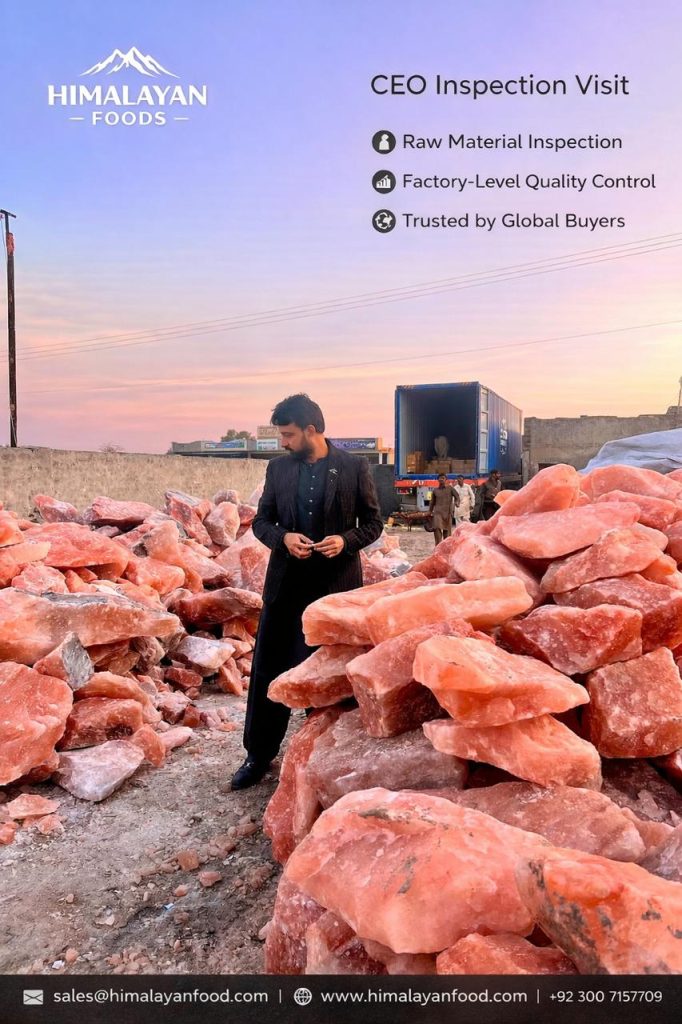
Himalayan pink salt is a natural rock salt mined from the Khewra Salt Mine in Pakistan, near the foothills of the Himalayas. It gets its distinctive pink color from trace minerals, primarily iron oxide. Unlike highly refined table salt, Himalayan pink salt is minimally processed and often touted for being the purest salt on Earth.
What Is Table Salt?
Table salt is the most common salt used in households worldwide. It is typically mined from underground salt deposits, then processed to eliminate minerals and impurities. Anti-caking agents are added to prevent clumping, and iodine is often added to help combat iodine deficiency.
Nutritional Comparison Himalayan Pink Salt vs Table Salt
Let’s break down the nutritional differences between these two popular salts:
| Component | Himalayan Pink Salt | Table Salt |
|---|---|---|
| Sodium | ~3680 mg per tsp | ~2325 mg per tsp |
| Potassium | Trace amounts (~3 mg) | 0 mg |
| Calcium | ~1.6 mg | ~0.4 mg |
| Magnesium | ~1.06 mg | ~0 mg |
| Iron | ~0.0369 mg | 0 mg |
| Iodine | Naturally low | Fortified (iodized) |
| Additives | None (pure rock salt) | Anti-caking agents added |
As seen in the nutritional comparison of salt, Himalayan pink salt nutrition includes over 80 trace minerals, whereas table salt is stripped of these during processing.
Himalayan Salt Health Benefits
Advocates of Himalayan salt believe it offers several benefits beyond flavor. Here are some widely claimed Himalayan salt health benefits:
1. Rich in Trace Minerals
Pink salt contains essential minerals like potassium, magnesium, and calcium, which may support bone health, fluid balance, and nerve function.
2. Less Processed
Unlike table salt, which undergoes heavy processing and chemical treatment, Himalayan salt is raw and natural, maintaining its original mineral composition.
3. May Support Electrolyte Balance
Due to the variety of pink salt minerals, it can contribute to better hydration and electrolyte regulation, especially in active individuals.
4. May Promote Better Sleep
Some suggest that the mineral content in pink salt can help reduce stress hormones and promote relaxation, potentially leading to improved sleep quality.
5. Good for Skin When Used Externally
Used in Himalayan salt baths and scrubs, it can soothe sore muscles and rejuvenate the skin due to its mineral content.
Is Himalayan Pink Salt Better Than Table Salt?
While both salts contain sodium which is essential for life but harmful in excess the choice between Himalayan Pink Salt vs Table Salt depends on several factors:
- Flavor: Pink salt has a more complex, earthy taste due to its mineral content.
- Purity: Himalayan salt is often considered more natural.
- Iodine Content: Table salt is fortified with iodine, which is important for thyroid health. If you use pink salt exclusively, ensure you get iodine from other sources (like seafood or dairy).
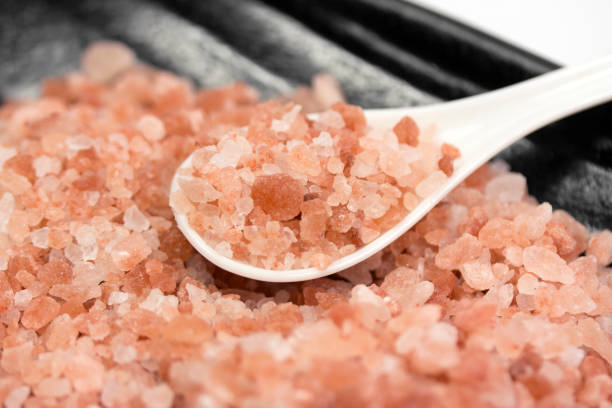
- Culinary Use: Pink salt crystals can vary in size, making them ideal for finishing dishes, while table salt is better for baking due to uniformity.
Pink Salt vs Table Salt in Cooking
Here’s how they differ in practical culinary use:
- Table Salt dissolves quickly and is best used in baking and fine recipes that require exact measurements.
- Pink Salt adds texture and visual appeal and is great for grilling, finishing touches, and even serving slabs (like Himalayan salt blocks).
Himalayan Food & Cultural Value
In Himalayan food culture, pink salt is more than seasoning it’s part of daily wellness routines. From salt lamps and salt inhalers to detoxifying foot soaks, this salt holds spiritual and therapeutic value in traditional Himalayan communities.
Downsides of Himalayan Pink Salt
While Himalayan salt has several perks, it’s important to consider its limitations:
- Lower Iodine Levels: This could be an issue if it’s your only salt source.
- Price: Often more expensive than regular table salt.
- Not a Superfood: Despite marketing hype, the mineral content is still low and doesn’t replace a balanced diet.
Final Verdict Which Salt Should You Choose?
If you’re seeking a natural, mineral-rich salt with a striking appearance and are conscious of additives in your food, Himalayan pink salt is a great option. But if iodine intake is your priority, and you’re looking for a budget-friendly option, table salt still has a place in your pantry.
For optimal health, consider using both in moderation and balancing your diet with iodine-rich foods when choosing pink salt.
FAQs
Is Himalayan pink salt healthier than table salt?
Himalayan pink salt contains trace minerals and is less processed, making it a purer option. However, it lacks iodine, which is added to table salt for thyroid health.
What minerals are found in Himalayan pink salt?
It contains over 80 trace minerals, including calcium, potassium, magnesium, and iron, which give it its signature pink hue.
Can I use Himalayan pink salt daily?
Yes, you can use it daily in cooking. Just ensure you are also getting enough iodine from other sources.
Why is Himalayan pink salt more expensive?
It is hand-mined from ancient salt deposits and minimally processed, which raises production and packaging costs.
Does pink salt taste different from table salt?
Yes, pink salt has a slightly earthier, milder flavor due to its mineral content, making it popular as a finishing salt in gourmet dishes.