Are Salt Lamps Dangerous? Shocking Truth Inside!
Himalayan salt lamps are all the rage in wellness circles. With their warm glow and claims of air-purifying benefits, they’ve earned a spot in bedrooms, yoga studios, and workspaces around the world. But amidst all the glowing reviews, a pressing question arises: Are salt lamps dangerous?
In this article, we’ll explore the lesser-known side effects of Himalayan salt lamps, address common questions like “can you lick salt lamps?” and look into salt lamp leaking dangers. We’ll also discuss the industrial uses of Himalayan salt, what to look for in the best Himalayan salt lamp, and how to find trusted salt manufacturers in the UK.
What Are Himalayan Salt Lamps?
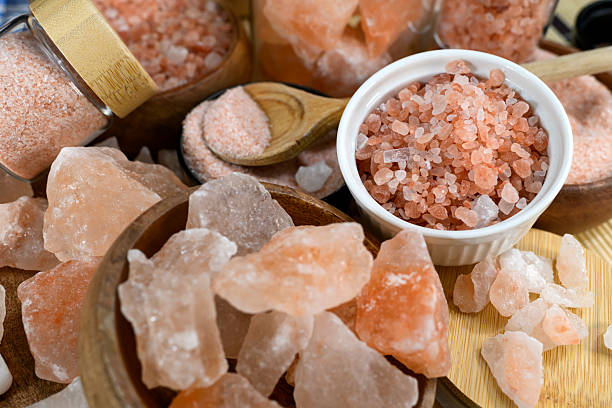
Himalayan salt lamps are made from large chunks of pink rock salt, usually mined from the Khewra Salt Mine in Pakistan one of the oldest and largest salt mines in the world. These lamps are carved to hold a bulb inside, emitting a calming amber glow when lit.
Beyond their aesthetic appeal, these lamps are often marketed for their potential health benefits, including:
- Purifying indoor air
- Reducing allergy symptoms
- Enhancing mood
- Promoting better sleep
But how much of this is true and how much could be harmful?
Salt Lamp Leaking Dangers: What You Need to Know
One of the most commonly reported issues is salt lamp leaking — and it’s not just messy; it can be hazardous.
Why do salt lamps leak? The phenomenon is known as hygroscopy. Salt naturally attracts moisture from the air. In humid environments, this moisture can cause your lamp to “sweat,” leaving puddles on furniture and damaging electronics if placed too close.
Potential dangers of salt lamp leaking:
- Electrical risk: Salt is a conductor. When mixed with water and electricity, it can lead to short circuits or even fires.
- Surface damage: Leaking salt can leave stains on wooden furniture and floors.
- Pet and child safety: If pets or kids ingest salt from a leaking lamp, it can lead to health issues.
So, yes — salt lamp leaking dangers are real, and caution is needed when placing your lamp.
Can You Lick Salt Lamps?
This might sound strange, but many people wonder: can you lick salt lamps?
Technically, yes it’s salt. But that doesn’t mean you should.
Here’s why licking a salt lamp is a bad idea:
- Sanitation: Your salt lamp has been touched, exposed to air, dust, and humidity — making it a breeding ground for bacteria.
- Excess sodium: Consuming too much salt even in small licks can harm your body over time.
- Chemical additives: Low-quality lamps may contain impurities or coatings that aren’t safe for consumption.
Bottom line: Just because you can lick it doesn’t mean you should.
Are Salt Lamps Dangerous for Your Health?
Let’s get to the heart of it: Are Himalayan salt lamps safe, or are there real health risks?
While many users report benefits like better sleep and improved mood, the scientific evidence is limited. On the flip side, there are some potential side effects of Himalayan salt lamps, especially when used carelessly.
Common side effects and dangers include:
- Respiratory irritation in very sensitive individuals
- Allergic reactions to airborne salt particles (rare)
- Salt ingestion hazards for pets like cats and dogs
- Electrical fires due to faulty wiring or leaking
Are Himalayan salt lamps safe for pets and children?
Not always. Curious pets and kids might try to lick or eat the salt, which can be harmful. Excessive salt intake can lead to salt toxicity in pets, a serious condition that requires immediate vet attention.
How to Use Salt Lamps Safely
If you still want the cozy glow without the worry, follow these tips to keep your Himalayan salt lamp safe:
- Place on a coaster or tray to catch any moisture.
- Use a certified lamp with proper wiring and safety ratings.
- Keep away from humid rooms like bathrooms or kitchens.
- Unplug when not in use, especially at night.
- Supervise pets and children around the lamp.
Industrial Uses and Growing Demand for Himalayan Salt
Himalayan salt isn’t just for lamps or food. There are various industrial uses, especially in the beauty and wellness sectors:
- Salt walls in spas and saunas
- Salt scrubs and skincare products
- Bath salts for relaxation
- Salt blocks for cooking and grilling
Leading salt companies across the globe, including salt manufacturers in the UK, are meeting the rising demand for pure Himalayan salt. Brands are expanding to offer not just himalaya food, but also best salt lamps for decorative and therapeutic purposes.
Choosing the Best Himalayan Salt Lamp
With so many options available, how do you find the best Himalayan salt lamp?
Look for:
- Authenticity: Real Himalayan salt has a pink-orange hue and comes from Pakistan.
- Proper weight: Heavier lamps (6–10 lbs) are ideal for medium rooms.
- UL-certified cords and bulbs: For safety against electrical issues.
- Trusted salt companies: Buy from reputable salt manufacturers UK or global brands with positive reviews.
The best salt lamps are functional, safe, and visually pleasing — a great addition to your wellness routine when used correctly.
Himalaya Food A Growing Trend
Beyond décor, Himalayan salt is gaining traction in the culinary world. Labeled under himalaya food, it’s being used in:
- Gourmet cooking
- Salt grinders for seasoning
- Decorative salt plates for serving dishes
It’s considered a healthier alternative due to its trace mineral content, but it’s still salt — moderation is key.
Should You Be Worried?
So, are salt lamps dangerous?
The short answer: not if used correctly. Most dangers associated with Himalayan salt lamps stem from improper use, such as placing them in damp areas, poor electrical setups, or allowing pets and children unsupervised access.
But if you follow safety precautions, buy from trusted salt companies, and handle your lamp wisely, you can enjoy its benefits without worry.
FAQs
Are Himalayan salt lamps safe to sleep with?
Yes, as long as the lamp is on a stable surface and away from moisture. Always use certified cords and turn it off if you leave the house.
Why is my salt lamp leaking water?
This happens due to high humidity. Salt absorbs moisture from the air, leading to leaks. Use a tray underneath and keep it in a dry room.
Can salt lamps cause allergies?
While rare, airborne salt particles can irritate people with severe respiratory conditions. Monitor your symptoms and consult a doctor if needed.
Are there any industrial uses of Himalayan salt?
Yes, it’s used in saunas, skincare, spa walls, cooking slabs, and gourmet seasoning — making it a multi-purpose mineral.
What’s the best way to clean a salt lamp?
Wipe it gently with a slightly damp cloth, then dry immediately. Avoid submerging it in water or using harsh cleaners.